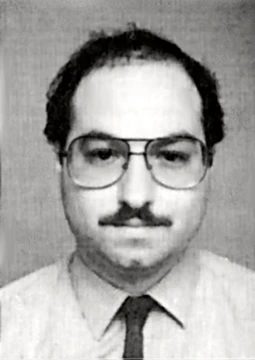
Leo Frank
Wrongfully convicted factory superintendent lynched in 1915.

Wikipedia / Wikimedia Commons
Leo Max Frank (April 17, 1884 – August 17, 1915) was an American lynching victim wrongly convicted of the murder of 13-year-old Mary Phagan, an employee in a pencil factory in Atlanta, Georgia, where he was superintendent. His trial, conviction, and unsuccessful appeals attracted national attention, and his kidnapping from prison and lynching became a focus of social, regional, political, and racial concerns, particularly regarding antisemitism. Modern researchers agree that Frank was innocent.
- born
- April 17, 1884, Paris, Texas
- died
- August 17, 1915, Marietta, Georgia (lynched)
- field
- Factory superintendent
- nationality
- American
- known_for
- Wrongful conviction and lynching in the Mary Phagan murder case
Lore & Background
Leo Frank was born to a Jewish family in Texas, raised in New York, and earned a degree in mechanical engineering from Cornell University in 1906. He moved to Atlanta in 1908 to work at the National Pencil Company, where his uncle was a major shareholder, and became superintendent. He married Lucille Selig in 1910 and was elected president of the Atlanta chapter of B'nai B'rith in 1912.
On April 26, 1913, 13-year-old employee Mary Phagan was strangled and found dead in the factory's cellar. Two notes made to look as if she had written them were found beside her body. Police arrested several men, including night watchman Newt Lee, Frank, and janitor Jim Conley. Frank was indicted on May 24, 1913, and his trial opened on July 28. The prosecution relied heavily on Conley's testimony; the defense argued Conley was the murderer, as many historians and researchers now believe. A guilty verdict was announced on August 25. After unsuccessful appeals, Governor John M. Slaton commuted Frank's sentence from death to life imprisonment in April 1915.
On August 16, 1915, Frank was kidnapped from prison by armed men and lynched at Marietta the next morning. The new governor vowed to punish the lynchers, who included prominent Marietta citizens, but no one was charged. In 1986, the Georgia State Board of Pardons and Paroles issued a pardon recognizing the state's failures but took no stance on guilt or innocence.
Reader's Guide
The Leo Frank case remains a landmark in American legal and social history, illustrating the intersection of antisemitism, regional tensions, and racial prejudice in the early 20th-century South. The trial and lynching attracted national press attention, with many reporters deeming the conviction a travesty. Within Georgia, outside criticism fueled antisemitism and hatred toward Frank. The case spurred the creation of the Anti-Defamation League and the resurgence of the Ku Klux Klan. Many African Americans opposed what historian Nancy MacLean described as a 'virulently racist' characterization of Jim Conley, who was black, by the Frank defense; the black press later condemned Frank's lynching as they did all lynching. The case has inspired books, movies, a play, a musical, and a TV miniseries, and continues to be studied for its implications regarding wrongful conviction, mob violence, and the failure of the justice system.
Did You Know?
- Frank was elected president of the Atlanta chapter of B'nai B'rith in 1912.
- The prosecution's key witness was Jim Conley, a janitor whom many historians and researchers now believe was the actual murderer.
- Governor John M. Slaton commuted Frank's death sentence to life imprisonment in April 1915.
- The Georgia State Board of Pardons and Paroles issued a pardon in 1986, but took no stance on Frank's guilt or innocence.
More in Figures Of Infamy And Espionage 1-22
Spotted an error? Know more?
This is a living reference — every entry is fact-audited, and reader corrections feed straight into our audit queue. Suggest an edit · See this site's audit record